


It's Not About the Scale: What Success Really Looks Like in Lymphedema Treatment
Medical Disclaimer: This article is intended for educational purposes only and should not be considered medical advice. Always consult your physician or qualified healthcare provider regarding the diagnosis and treatment of lymphedema, lipedema, or any other medical condition. Pneumatic compression devices require a prescription and should only be used as directed by your healthcare provider.

When people hear the words lymphedema or lipedema, they often think about swelling.
When they see before-and-after photos, they may focus on weight loss or physical appearance.
But ask someone who has lived with these conditions what success really looks like, and you'll often hear a very different answer.
Success is walking through the grocery store without needing to stop and rest.
It's sleeping through the night because your legs aren't throbbing.
It's being able to play with your grandchildren, travel, exercise, or simply get through the workday with less discomfort.
For many patients, treatment isn't about changing how they look—it's about reclaiming the life they thought they had lost.
Living with Chronic Swelling Is About More Than Appearance
Lymphedema and lipedema are chronic medical conditions that affect millions of people, yet they are frequently misunderstood or underdiagnosed.
Many patients spend years searching for answers while living with symptoms such as:
Persistent swelling
A feeling of heaviness in the arms or legs
Chronic pain or tenderness
Fatigue
Reduced mobility
Difficulty exercising
Frequent skin infections or cellulitis (for some patients)
Frustration after being told their symptoms are "just weight"
The emotional toll can be just as significant as the physical symptoms. Patients often describe feeling dismissed, discouraged, or misunderstood before finally receiving an accurate diagnosis.
Progress Isn't Always Measured by Pounds
Weight loss can be one part of some patients' journeys, but it is not the goal of lymphedema treatment.
Instead, meaningful progress often looks like:
Walking farther with less pain
Standing longer throughout the day
Wearing shoes more comfortably
Having more energy
Sleeping better
Feeling confident enough to participate in activities again
Regaining independence
These victories may not always show up on a scale, but they can dramatically improve a person's quality of life.
A Comprehensive Treatment Plan Makes a Difference
There is no one-size-fits-all approach to managing lymphedema or lipedema. Every patient's treatment plan should be developed by their healthcare provider based on their specific diagnosis and medical needs.
Treatment may include:
Compression garments
Manual lymphatic drainage performed by a certified therapist
Exercise and movement
Healthy nutrition
Skin care
Weight management when appropriate
Prescription pneumatic compression therapy for home use
When these therapies work together, many patients experience improvements in comfort, mobility, and daily function.
How Pneumatic Compression Therapy Can Help
A prescription pneumatic compression device is designed to support the movement of lymphatic fluid through gentle, sequential pressure.
When used as prescribed by a physician, pneumatic compression therapy may help:
Reduce swelling
Improve lymphatic fluid movement
Decrease feelings of heaviness
Support circulation
Increase mobility
Improve comfort during daily activities
Enhance overall quality of life
For many patients, using a pneumatic compression device becomes an important part of their long-term self-care routine.
You Don't Have to Figure It Out Alone
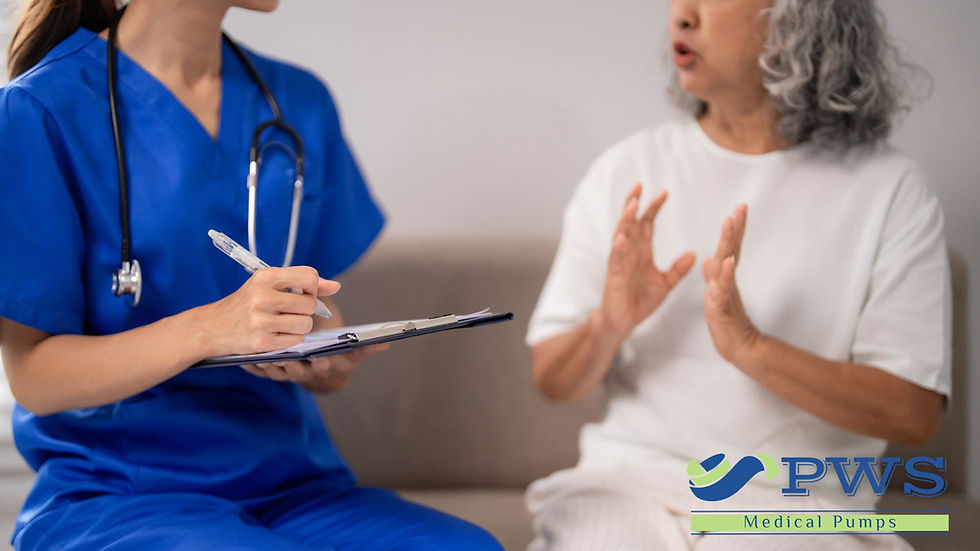
Beginning treatment can feel overwhelming, especially if you've recently been diagnosed or have never used a pneumatic compression device before.
At PWS Medical Pumps, we believe education and support are just as important as the equipment itself.
That's why every patient receives personalized instruction from one of our experienced delivery nurses. We take the time to:
Deliver your prescribed device
Set it up according to your physician's prescription
Demonstrate how to use it safely and effectively
Answer your questions
Help you feel confident in incorporating therapy into your daily routine
Our goal is simple: to make treatment feel less intimidating so you can focus on feeling better.
Every Small Victory Matters
Living with lymphedema or lipedema is a journey.
There may still be difficult days. There may still be flare-ups. Progress isn't always linear.
But every step forward deserves to be celebrated.
Every walk around the neighborhood.
Every family vacation.
Every workout completed.
Every day with less pain.
Every moment when you realize you're living your life instead of planning your life around your condition.
At PWS Medical Pumps, we're honored to support patients throughout that journey. We know that success isn't simply about reducing swelling—it's about helping people regain comfort, confidence, mobility, and the freedom to enjoy everyday life.
Because the greatest victories aren't always measured by what you've lost.
They're measured by everything you've gained.
Medical Disclaimer
PWS Medical Pumps does not diagnose medical conditions or prescribe treatment. Pneumatic compression devices require a physician's prescription and should only be used under the guidance of your healthcare provider. Individual results vary based on diagnosis, treatment plan, and adherence to prescribed therapy.


Comments