


The Long-Term Benefits of Pneumatic Compression Therapy for Lymphedema
- 3 days ago
- 4 min read
Managing lymphedema is often a lifelong process. For many patients, swelling, discomfort, reduced mobility, and skin changes can significantly impact daily life and overall quality of life.
While traditional treatments such as compression garments and manual lymphatic drainage can help manage symptoms, research continues to show that intermittent pneumatic compression (IPC) therapy may play an important role in long-term lymphedema management, particularly when used consistently at home.
At PWS Medical Pumps, we help patients access research-backed pneumatic compression therapy systems designed to support long-term symptom management, improve comfort, and promote better daily function.
Understanding Lymphedema
Lymphedema occurs when the lymphatic system becomes damaged or blocked, causing lymphatic fluid to accumulate within the tissues.
This can lead to:
Swelling in the legs or arms
Tightness and discomfort
Skin thickening or fibrosis
Reduced mobility
Recurrent infections
Researchers describe lymphedema as an abnormal accumulation of fluid, proteins, immune cells, and cellular waste within the tissues, often leading to progressive swelling and tissue changes over time (Zaleska et al., 2014).
Why Long-Term Treatment Matters
Lymphedema is a chronic condition that requires ongoing management. Without consistent treatment, symptoms may worsen and lead to additional complications.
According to the study The Effectiveness of Intermittent Pneumatic Compression in Long-Term Therapy of Lymphedema of Lower Limbs, patients with lymphedema commonly experience:
Impaired limb function
Recurrent soft tissue infections
Skin complications
Psychological and social challenges related to chronic swelling (Zaleska et al., 2014).
The researchers also emphasized that accessible, at-home treatment options are essential because manual lymphatic drainage alone may not be realistic or accessible for many patients worldwide (Zaleska et al., 2014).
What Is Intermittent Pneumatic Compression Therapy?
Intermittent pneumatic compression therapy uses a device with inflatable chambers that sequentially apply pressure to the affected limb.
This process is designed to:
Move excess lymphatic fluid
Improve tissue elasticity
Reduce swelling
Support circulation
Unlike static compression garments, pneumatic compression therapy provides dynamic, sequential compression intended to actively move fluid toward areas with functioning lymphatic drainage.
What the Research Shows
The study followed 18 patients with stage II to IV lower-limb lymphedema over a three-year period who received daily pneumatic compression therapy.
Researchers found that:
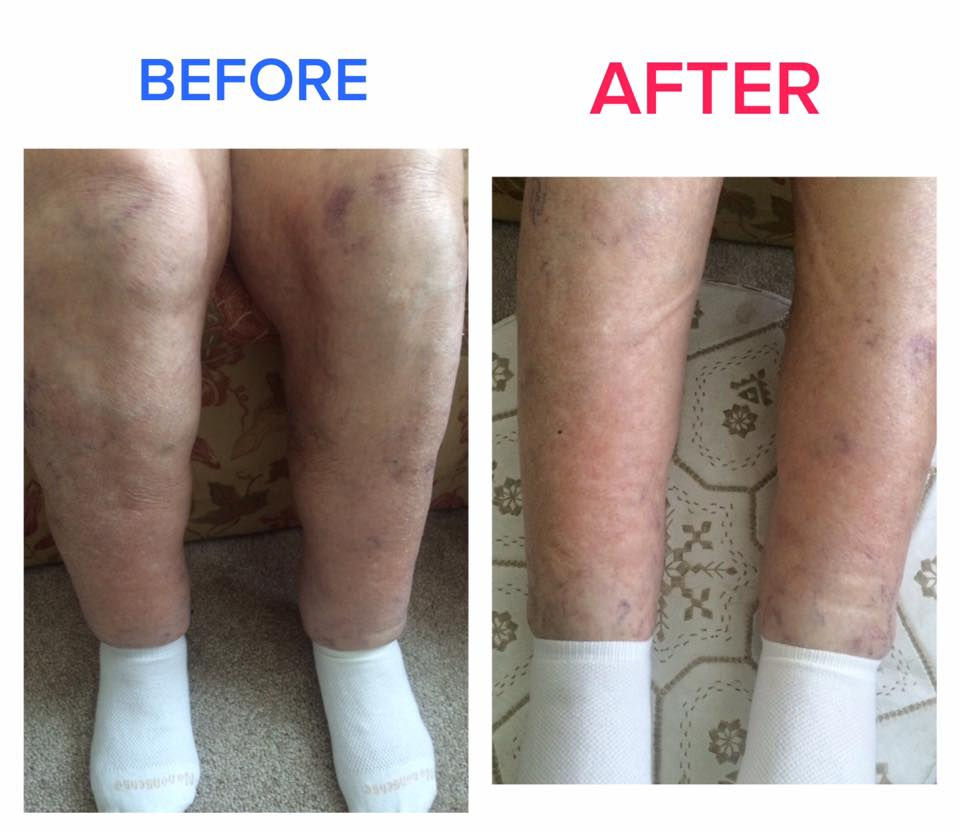
Limb circumference decreased and remained reduced over time
Tissue elasticity improved and was maintained
The greatest improvement occurred in the calf and ankle regions
No major complications were observed during long-term use (Zaleska et al., 2014).
The authors concluded:
“The long-term, high pressure IPC, long inflation timed therapy can safely be recommended to patients with lower limb lymphedema” (Zaleska et al., 2014).
Researchers also explained that IPC therapy helps compensate for damaged lymphatic pathways by moving fluid toward regions with normal lymphatic drainage (Zaleska et al., 2014).
Benefits of Pneumatic Compression Therapy for Lymphedema
One of the greatest advantages of pneumatic compression therapy is its ability to be used consistently at home.
At-home therapy allows patients to:
Maintain a regular treatment schedule
Reduce reliance on frequent clinic visits
Better manage chronic swelling over time
Improve long-term comfort and mobility
The researchers specifically noted the importance of “simple, inexpensive, and easily accessible compression devices” due to the large number of patients affected by lymphedema worldwide (Zaleska et al., 2014).
How PWS Medical Pumps Supports Patients
At PWS Medical Pumps, we help patients access advanced pneumatic compression systems designed for safe and effective home use.
Our systems are designed to:
Deliver sequential compression therapy
Support long-term symptom management
Improve patient comfort
Help reduce swelling and tissue stiffness
We also work closely with patients to help them understand their options and navigate the process of obtaining a compression device that fits their individual needs.
For many patients, pneumatic compression therapy is an important part of maintaining quality of life and helping to prevent the progression of symptoms.
The Importance of Consistency
The study found that patients who continued daily therapy maintained improvements in swelling and tissue elasticity over several years (Zaleska et al., 2014).
This highlights an important aspect of lymphedema care: long-term symptom management requires consistent treatment and ongoing support.
Using pneumatic compression therapy regularly may help patients:
Maintain reduced swelling
Improve tissue health
Support mobility
Reduce discomfort over time
Learn More About Your Treatment Options
If you are living with lymphedema and struggling to manage swelling at home, pneumatic compression therapy may help.
PWS Medical Pumps provides research-backed at-home compression therapy systems designed to support long-term lymphedema care and improve daily quality of life.
Contact our team today to learn more about available treatment options and determine whether pneumatic compression therapy may be appropriate for your needs.
Disclaimer
This content is for informational purposes only and is not intended as medical advice. Always consult your healthcare provider regarding diagnosis and treatment recommendations.
References
Zaleska, M., Olszewski, W. L., & Durlik, M. (2014). The effectiveness of intermittent pneumatic compression in long-term therapy of lymphedema of lower limbs. Lymphatic Research and Biology, 12(2), 103–109. https://doi.org/10.1089/lrb.2013.0033


Comments