


What Does a Lymphedema Flare-Up Feel Like? Signs to Watch For
Medical Disclaimer: This article is intended for educational purposes only and should not be considered medical advice or used to diagnose a lymphedema flare-up. New, sudden, severe, or unexplained swelling can have causes other than lymphedema and should be evaluated by a qualified healthcare provider.
If you live with lymphedema, you probably get to know your body's version of "normal" pretty well.
You know how your affected arm or leg usually feels in the morning. You recognize what your typical swelling looks like at the end of a long day. You may even know which activities tend to make your symptoms more noticeable.
So when something changes, you notice.
Maybe your leg suddenly feels heavier.
Your shoe feels tighter.
Your skin feels different.
Or an arm that normally feels manageable suddenly feels full and uncomfortable.
You may wonder: Is this a lymphedema flare-up?
While everyone's experience is different, there are several changes worth paying attention to.
What Is a Lymphedema Flare-Up?
"Lymphedema flare-up" is a common term people use to describe a temporary or noticeable increase in their usual lymphedema symptoms.
Because lymphedema is a chronic condition, symptoms can fluctuate. Some days may simply be better than others.
Changes in activity, routine, temperature, travel, illness, or other factors may coincide with changes in swelling.
The important thing is learning what's typical for your body and contacting your healthcare provider when something feels unusual or concerning.
1. Your Limb Feels Heavier Than Usual
Heaviness is a common symptom associated with lymphedema.
During a period of increased swelling, an affected arm or leg may feel noticeably heavier or more difficult to move.
You might notice it while climbing stairs, walking, getting dressed, or completing everyday activities.
Sometimes the change in how a limb feels is noticeable before a dramatic visual change appears.
2. Your Skin Feels Tight or Full
Some people describe increased lymphedema symptoms as a sensation of:
Tightness
Fullness
Pressure
Aching
Discomfort
You may feel as though the skin is being stretched or that your limb simply feels "different."
Changes like these are worth monitoring, particularly when they are unusual for you.
3. Your Clothes, Shoes, or Jewelry Suddenly Feel Tighter
Sometimes your wardrobe tells you something has changed before the mirror does.
Your shoe may feel tighter.
A pant leg may fit differently.
A sleeve may suddenly feel restrictive.
A ring, watch, or bracelet may become uncomfortable.
These seemingly small changes can provide clues that swelling has increased.
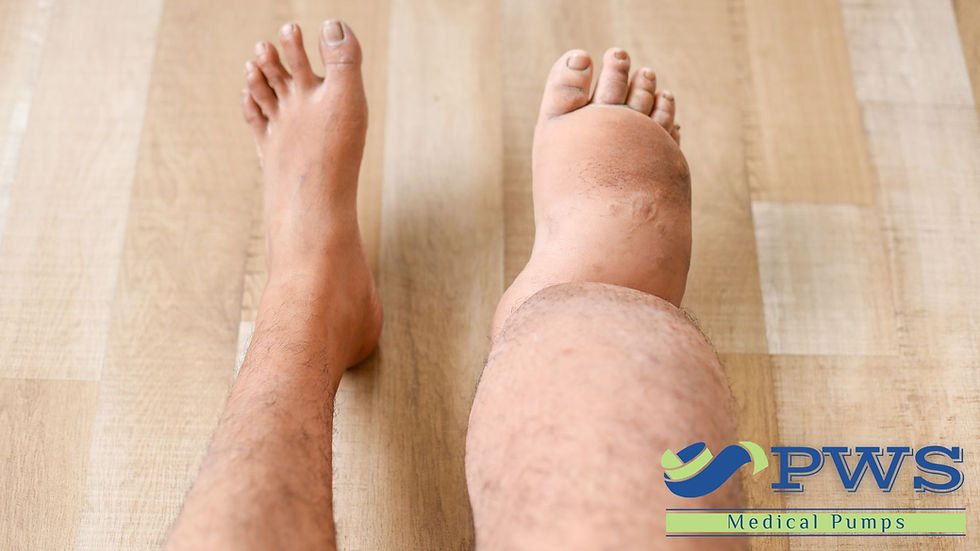
4. You Notice More Visible Swelling
An increase in the size of an affected limb may be one of the most obvious signs that symptoms have changed.
You might notice swelling around the ankle, foot, hand, fingers, lower leg, or another affected area.
For some people, swelling may become more noticeable later in the day or after certain activities.
If you notice a significant or unexplained change from your usual swelling, contact your healthcare provider for guidance.
5. Your Usual Activities Feel More Difficult
A change in symptoms doesn't always show up as a measurement.
Sometimes you simply notice that everyday activities have become harder.
Maybe your usual walk feels more tiring.
Your arm feels heavy while carrying groceries.
Standing for an extended period becomes uncomfortable.
Or you find yourself needing more breaks.
Changes in function can be just as important to discuss with your healthcare provider as changes you can see.
What Can Trigger Changes in Lymphedema Symptoms?
There isn't necessarily one cause behind every increase in symptoms.
People may notice changes around periods involving:
Increased or decreased activity
Long periods of sitting or standing
Travel
Hot weather
Changes in their normal treatment routine
Illness or injury
Skin irritation or injury to the affected area
Your individual triggers may be different.
Keeping track of when symptoms change can help you and your healthcare provider identify patterns over time.
When a "Flare-Up" May Be Something Else
This section is especially important.
Don't automatically assume that sudden swelling, redness, warmth, or pain is simply your lymphedema acting up.
Changes in swelling can sometimes be associated with other medical problems that require prompt evaluation.
Contact your healthcare provider promptly if you develop symptoms such as unusual redness or warmth, rapidly increasing swelling, significant new pain, fever, chills, or feeling ill.
And if you develop sudden swelling along with symptoms such as chest pain or difficulty breathing, seek emergency medical attention.
Knowing your usual lymphedema symptoms is valuable—but so is recognizing when something doesn't feel like your normal pattern.
What Should You Do During a Lymphedema Flare-Up?
Your healthcare provider should give you individualized instructions for managing changes in your symptoms.
If you've been prescribed compression garments, exercise, skin care, pneumatic compression therapy, or other treatments, continue to follow your prescribed plan unless your healthcare provider tells you otherwise.
Don't independently increase the pressure or duration of your pneumatic compression therapy because your swelling has increased.
And if you're unsure whether you should use your device because of new or unusual symptoms, contact your healthcare provider before proceeding.
Tracking Your Symptoms Can Help
You don't need an elaborate spreadsheet to notice patterns.
Consider keeping simple notes about:
When swelling increases
What you were doing beforehand
Whether you've been traveling
Changes in activity
How your limb feels
How clothing or shoes fit
Whether anything changed in your normal treatment routine
You can even take periodic photographs if your healthcare provider recommends it.
Having specific information can make conversations with your medical team much more productive than simply saying, "My swelling seems worse."
How PWS Medical Pumps Supports Your Treatment Routine
If pneumatic compression therapy is part of your physician-prescribed lymphedema management plan, knowing how to use your device correctly is important.
At PWS Medical Pumps, our experienced delivery nurses help patients understand their prescribed equipment from the beginning.
We deliver your device, set it up according to your healthcare provider's prescription, demonstrate how to use it, and answer your questions.
And if you're uncertain about the equipment itself, we want you to ask.
Questions about a change in your medical symptoms, however, should always be directed to your healthcare provider.
Learn What's Normal for You
Living with lymphedema means becoming familiar with your body.
Over time, you may learn what your typical swelling feels like, what activities affect it, and which routines help you manage it.
That knowledge is powerful.
But it shouldn't replace medical care.
When something feels significantly different, don't simply assume it's another lymphedema flare-up.
Pay attention to your body, follow your prescribed treatment plan, and reach out to your healthcare provider when something changes.
Medical Disclaimer
PWS Medical Pumps does not diagnose lymphedema, determine whether symptoms represent a lymphedema flare-up, or prescribe treatment. New, worsening, or unusual symptoms should be discussed with a qualified healthcare provider. Seek emergency medical attention for potentially serious symptoms such as chest pain or difficulty breathing.


Comments