


5 Signs You May Need Pneumatic Compression Therapy
- 2 days ago
- 2 min read
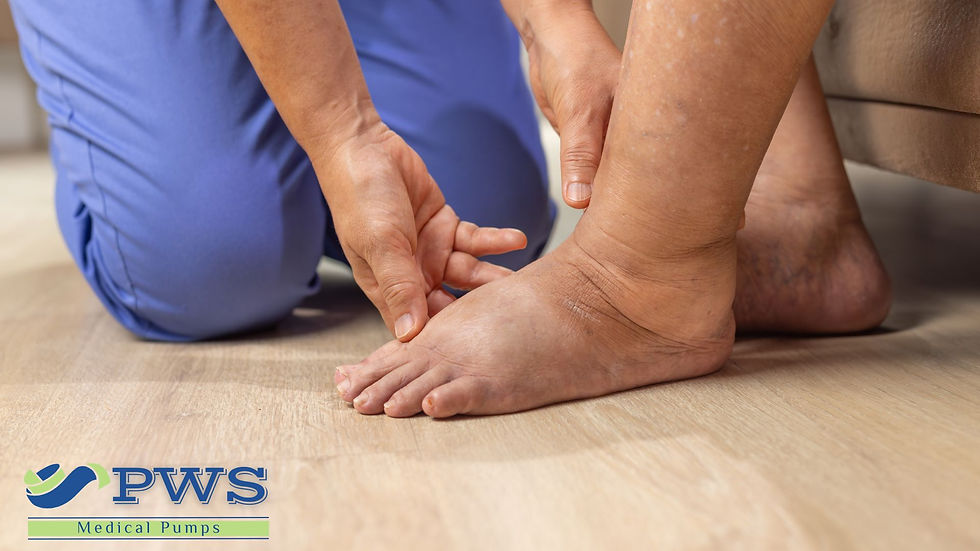
Many people live with swelling, discomfort, or circulation issues without realizing there are treatment options that can help. If you’ve been dealing with ongoing symptoms, it may be time to explore solutions like pneumatic compression therapy.
Here are five signs that this type of therapy may be right for you.
1. Persistent Swelling in Your Arms or Legs
If you notice swelling that doesn’t go away—especially in your arms or legs—it could be a sign of lymphedema or another circulation issue. Swelling that worsens throughout the day or fails to improve with rest may require additional support beyond basic treatments.
2. A Feeling of Heaviness or Tightness
Many patients describe their symptoms as a constant feeling of heaviness, tightness, or fullness in the affected limb. This can make everyday activities more difficult and uncomfortable.
Research has shown that pneumatic compression therapy can help reduce these symptoms and improve overall quality of life. In one study, patients using compression therapy reported significant symptom improvement, with 100% of participants experiencing relief and 54% reporting major improvement (Blumberg et al., 2016).
3. A History of Cancer Treatment
If you have undergone cancer treatment—especially procedures involving lymph node removal or radiation—you may be at higher risk for developing lymphedema.
Pneumatic compression therapy is often used as part of long-term management to help move fluid and support the lymphatic system.
4. Recurring Infections (Cellulitis)
Frequent infections, such as cellulitis, are a serious concern for individuals with lymphedema. These infections can lead to complications, hospital visits, and increased discomfort.
Research highlighted by Vanderbilt University School of Nursing found that patients using an at-home pneumatic compression device experienced nearly an 80% reduction in cellulitis episodes, along with fewer hospital and therapy visits (VUMC News & Communications, 2015).
5. You’ve Tried Other Treatments Without Relief
If you’ve already tried methods like:
Elevation
Compression garments
Physical therapy
…and still struggle with symptoms, pneumatic compression therapy may be the next step.
Compression therapy is commonly recommended as part of standard lymphedema care and is often used alongside other treatments to help manage symptoms long-term.
When to Consider Your Next Step
If you’re experiencing one or more of these signs, it may be time to explore additional support options. Pneumatic compression therapy is designed for home use and can be an important part of managing symptoms and improving daily comfort.
You don’t have to navigate this alone.
Disclaimer
This content is for informational purposes only and is not intended as medical advice. Always consult with your healthcare provider to determine the best treatment options for your individual needs.
References
Blumberg, S. N., Berland, T., Rockman, C., Mussa, F., Brooks, A., Cayne, N., & Maldonado, T. (2016). Pneumatic compression improves quality of life in patients with lower-extremity lymphedema. Annals of Vascular Surgery.
VUMC News & Communications. (2015, October 8). Study shows compression device helps ease lymphedema. Vanderbilt University Medical Center.


Comments