


Pneumatic Compression Therapy for Lymphedema at Home: What Patients Need to Know
- Apr 18
- 3 min read

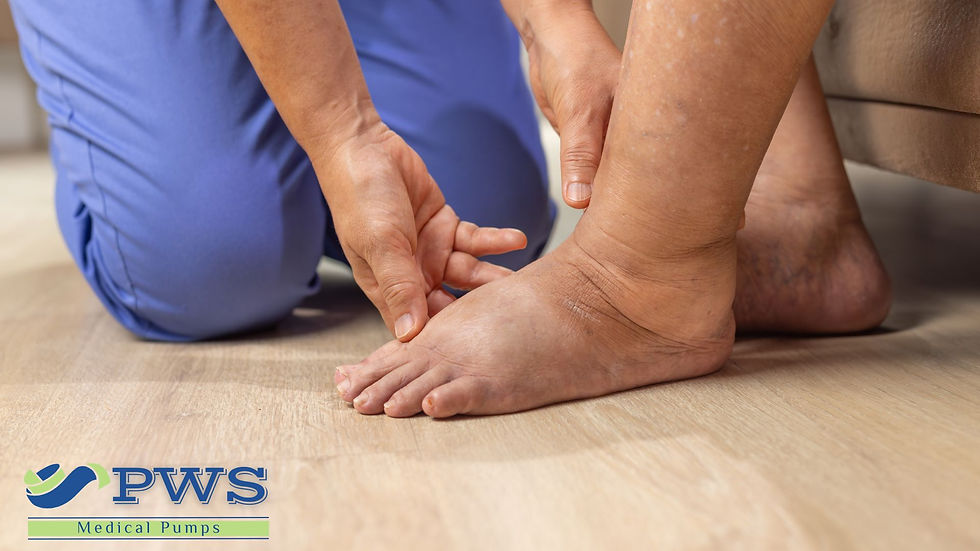
Living with lymphedema can feel overwhelming. The swelling, discomfort, and risk of infection can make everyday activities more difficult—and many patients are left wondering what they can do at home to better manage their symptoms.
One option that has helped many patients is pneumatic compression therapy, a treatment designed to improve circulation and reduce fluid buildup. But how does it work, and is it effective?
Let’s break it down in a simple, patient-friendly way.
What Is Pneumatic Compression Therapy?
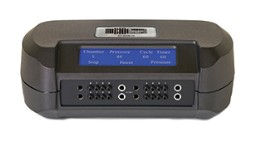
Pneumatic compression therapy uses a specialized device with inflatable sleeves that wrap around the affected limb (such as the arm or leg). These sleeves gently inflate and deflate in sequence, helping to move excess fluid out of the area and back into the body’s natural circulation.
This type of therapy is often used at home as part of a long-term lymphedema management plan.
Benefits of Pneumatic Compression Therapy
Many patients use pneumatic compression therapy to help manage symptoms and improve daily comfort. Some of the most common benefits include:
Reduced swelling in the affected limb
Improved circulation and fluid movement
Relief from feelings of heaviness or tightness
Support for long-term symptom management
Potential reduction in complications like infections
What Does Research Say About Compression Therapy?
Research supports the use of pneumatic compression therapy as part of lymphedema care.
A study highlighted by Vanderbilt University School of Nursing found that patients using an advanced home-based pneumatic compression device experienced significant improvements in their condition.
In fact, researchers reported nearly an 80% reduction in cellulitis episodes, which are common and sometimes serious infections associated with lymphedema. The study also showed a 37% reduction in healthcare costs and fewer hospital and therapy visits after patients began using the device (VUMC News & Communications, 2015).
These findings suggest that pneumatic compression therapy may not only help manage symptoms but also reduce complications and improve overall quality of life.
While results can vary, this research highlights why many providers recommend at-home compression therapy as part of a long-term lymphedema management plan.
Who May Benefit from This Therapy?
Pneumatic compression therapy may be helpful for individuals who:
Have been diagnosed with lymphedema
Experience chronic swelling in the arms or legs
Are recovering from cancer treatment (such as breast cancer)
Are looking for at-home options to support their care
A healthcare provider can help determine if this type of therapy is appropriate for your specific situation.
What to Expect When Using a Compression Pump at Home
Using a pneumatic compression device at home is typically simple and designed to fit into your daily routine.
Most patients:
Use the device for a set period of time each day
Sit or relax during treatment
Notice gradual improvement with consistent use
Your provider will guide you on how often to use the device and what settings are best for your needs.
Take the Next Step
If you are living with lymphedema and looking for ways to better manage your symptoms at home, pneumatic compression therapy may be an option worth exploring.
You don’t have to navigate this alone.
References
VUMC News & Communications. (2015, October 8). Study shows compression device helps ease lymphedema. Vanderbilt University Medical Center.


Comments