


Can Lymphedema Be Reversed? What Patients Need to Know
- 4 days ago
- 4 min read
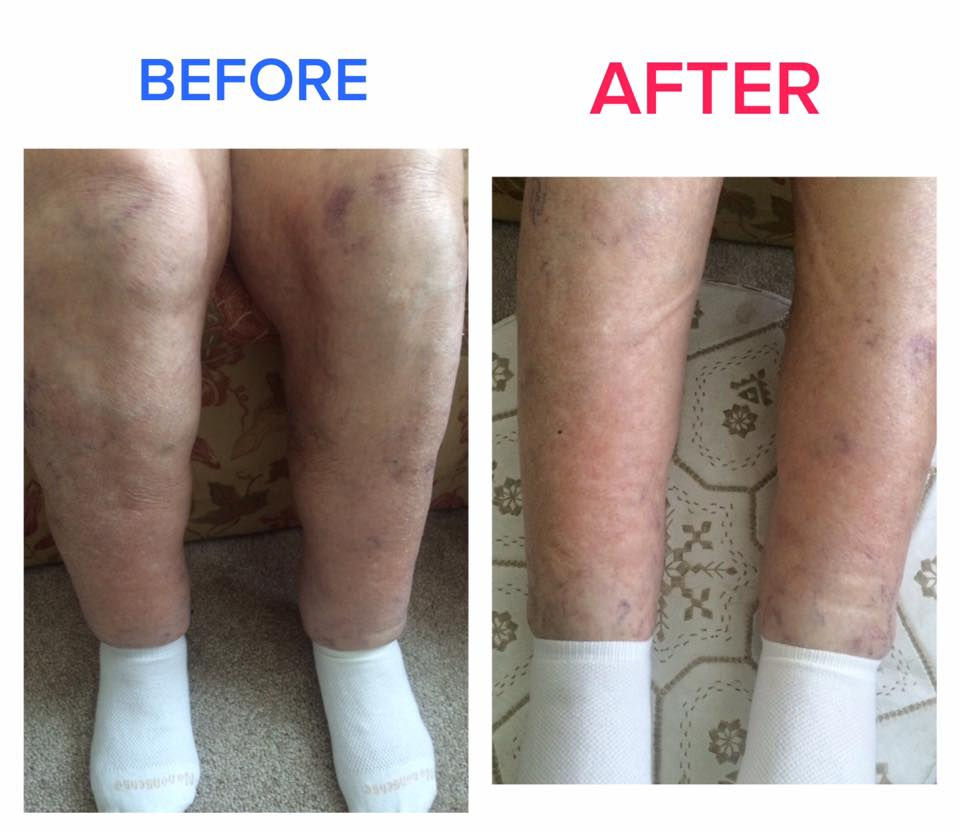
Lymphedema affects millions of people worldwide and can have a significant impact on daily life. If you or a loved one has recently been diagnosed, one of the first questions you may ask is, "Can lymphedema be reversed?"
The answer is nuanced. While lymphedema is generally considered a chronic condition without a permanent cure, early diagnosis and proper treatment can dramatically reduce symptoms, improve quality of life, and help prevent progression. Many patients experience substantial improvements in swelling, mobility, and comfort when following a comprehensive treatment plan.
At PWS Medical Pumps, we help patients access advanced pneumatic compression therapy as part of a personalized approach to lymphedema management.
What Is Lymphedema?
Lymphedema occurs when the lymphatic system is unable to effectively transport lymph fluid throughout the body. This causes fluid to accumulate in the tissues, leading to swelling, most commonly in the arms, legs, hands, or feet.
There are two primary types of lymphedema:
Primary Lymphedema
Primary lymphedema is caused by developmental abnormalities of the lymphatic system and may be present at birth or develop later in life.
Secondary Lymphedema
Secondary lymphedema results from damage to the lymphatic system. Common causes include:
Cancer treatment involving lymph node removal
Radiation therapy
Infection
Trauma or injury
Chronic venous insufficiency
Obesity
Secondary lymphedema is significantly more common than primary lymphedema.
Can Lymphedema Be Cured?
Currently, there is no known cure for lymphedema. According to the International Society of Lymphology, lymphedema is a chronic, progressive condition that requires ongoing management.
However, "not curable" does not mean "untreatable."
Research consistently shows that early intervention can significantly reduce swelling, improve lymphatic drainage, decrease discomfort, and help patients maintain normal daily activities.
In many cases, patients can achieve long-term symptom control and prevent further disease progression.
Why Early Treatment Matters
Lymphedema progresses through stages.
In the earliest stages, swelling may come and go and often improves with elevation. As the condition advances, fluid accumulation can lead to inflammation, tissue thickening, fibrosis, and permanent skin changes.
Research has demonstrated that earlier treatment is associated with better outcomes and improved symptom control.
Without treatment, patients may experience:
Increased swelling
Reduced mobility
Skin thickening and fibrosis
Recurrent infections such as cellulitis
Difficulty performing daily activities
Decreased quality of life
The goal of treatment is to slow or stop this progression while improving function and comfort.
What Treatments Can Improve Lymphedema?
While lymphedema cannot typically be reversed completely, several evidence-based treatments can significantly reduce symptoms.
Compression Therapy
Compression garments help support lymphatic flow and prevent fluid from accumulating in affected tissues.
Compression remains one of the foundational components of lymphedema management.
Manual Lymphatic Drainage (MLD)
MLD is a specialized massage technique performed by trained therapists to promote the flow of lymph through the lymphatic system.
Research has shown that MLD can be particularly beneficial when combined with other therapies.
Exercise and Movement
Exercise was once discouraged for patients with lymphedema, but modern research tells a different story.
Studies have shown that appropriately guided exercise can improve lymphatic circulation, reduce symptoms, and enhance overall quality of life without worsening swelling.
Walking, swimming, resistance training, and flexibility exercises may all play important roles in a treatment plan.
Pneumatic Compression Therapy
Pneumatic compression devices use inflatable chambers that sequentially apply pressure to the affected limb. This gentle pressure helps move lymphatic fluid toward healthy drainage pathways.
Research has demonstrated that pneumatic compression therapy can:
Reduce limb volume
Improve lymphatic flow
Decrease feelings of heaviness and discomfort
Support long-term symptom management
Improve quality of life
For many patients, home-based pneumatic compression therapy provides a convenient way to continue treatment between clinic visits.
Can Swelling Go Away Completely?
The answer depends on several factors, including:
The stage of lymphedema
How long symptoms have been present
The underlying cause
Consistency of treatment
Individual patient characteristics
Patients diagnosed in the earliest stages often experience the greatest improvement. Some individuals may see swelling reduced to minimal levels with diligent treatment.
However, more advanced lymphedema may require lifelong management to maintain results and prevent worsening symptoms.
Signs Your Lymphedema Is Improving
Successful treatment may lead to:
Reduced swelling
Improved limb mobility
Softer tissue texture
Less heaviness or discomfort
Better-fitting clothing and shoes
Increased activity tolerance
Many patients report improved confidence and quality of life when symptoms are effectively managed.
How PWS Medical Pumps Can Help
Managing lymphedema requires a long-term strategy, and pneumatic compression therapy can be an important part of that plan.
At PWS Medical Pumps, we work closely with patients and healthcare providers to help individuals obtain high-quality pneumatic compression devices for home use. Our team guides patients through the process, helping them understand their treatment options and supporting them throughout their therapy journey.
While lymphedema may not currently have a cure, effective treatment can make a meaningful difference. With the right combination of therapies—including compression, exercise, manual lymphatic drainage, and pneumatic compression therapy—many patients can successfully manage symptoms and maintain an active, fulfilling lifestyle.
References:
International Society of Lymphology. The Diagnosis and Treatment of Peripheral Lymphedema: 2023 Consensus Document.
Rockson SG, Keeley V, Kilbreath S, et al. Cancer-associated secondary lymphoedema. Nature Reviews Disease Primers. 2019.
Ridner SH, Dietrich MS, Cowher MS, et al. A randomized clinical trial comparing advanced pneumatic truncal, chest, and arm treatment to arm treatment only in self-care of arm lymphedema. Breast Cancer Research and Treatment. 2012.
Oremus M, Walker K, Dayes I, et al. Systematic review: conservative treatments for secondary lymphedema. BMC Cancer. 2012.
International Lymphoedema Framework. Best Practice for the Management of Lymphoedema.
Medical Disclaimer: The information provided in this article is for educational and informational purposes only and is not intended as medical advice, diagnosis, or treatment. Always consult your physician or qualified healthcare provider regarding any medical condition, symptoms, or treatment options. Never disregard professional medical advice or delay seeking treatment because of information you have read online. Individual results may vary. Pneumatic compression therapy should only be used under the guidance and recommendation of a healthcare professional.


Comments