


Signs Your Lymphedema Treatment Plan May Need to Change
- Jul 5
- 4 min read
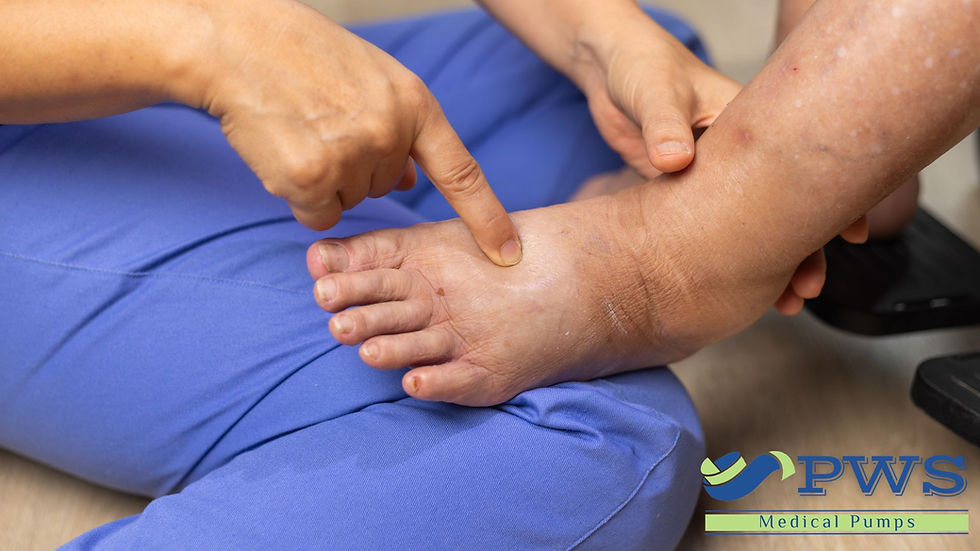
Managing lymphedema is not a one-size-fits-all process. While many patients achieve significant symptom improvement through compression therapy, exercise, manual lymphatic drainage, and pneumatic compression devices, treatment needs can change over time.
If you are experiencing increasing swelling, discomfort, or difficulty managing your symptoms, it may be a sign that your current lymphedema treatment plan needs to be reevaluated.
Recognizing these warning signs early can help prevent complications and improve long-term outcomes.
Understanding Lymphedema Management
Lymphedema is a chronic condition caused by a disruption in the lymphatic system's ability to transport fluid effectively. Because there is currently no cure, treatment focuses on controlling symptoms, reducing swelling, preventing complications, and improving quality of life.
According to the International Society of Lymphology, successful lymphedema management often includes:
Compression therapy
Exercise and movement
Skin care
Manual lymphatic drainage (MLD)
Pneumatic compression therapy
Ongoing monitoring by healthcare professionals
However, even the most effective treatment plans may require adjustments over time.
1. Your Swelling Is Increasing
One of the clearest signs that your treatment plan may need to change is worsening swelling.
If you notice:
Increased limb size
Tighter-fitting clothing or shoes
More visible swelling at the end of the day
Swelling that no longer improves with elevation
Your current management strategy may not be providing adequate control.
Progressive swelling may indicate the need for additional interventions to improve lymphatic drainage and prevent further tissue changes.
2. Your Compression Garments No Longer Fit Properly
Compression garments play a critical role in managing lymphedema. However, garments naturally lose effectiveness over time due to wear and stretching.
Signs your garments may need replacement include:
Loose or slipping garments
Visible stretching
Uneven compression
Increased swelling despite consistent use
Many lymphedema specialists recommend replacing compression garments every four to six months, depending on use and manufacturer guidelines.
A poorly fitting garment may not provide the support needed to effectively manage swelling.
3. You Are Experiencing More Frequent Infections
Individuals with lymphedema face an increased risk of skin infections, including cellulitis.
Warning signs include:
Redness
Warmth
Tenderness
Fever
Rapidly increasing swelling
Research has shown that recurrent cellulitis can further damage the lymphatic system and contribute to worsening lymphedema.
If infections are becoming more frequent, your healthcare provider may recommend changes to your treatment plan to improve fluid management and skin health.
4. Your Skin Is Changing
Changes in the skin can indicate the progression of lymphedema.
Watch for:
Thickening of the skin
Hardening or fibrosis
Dry, cracked skin
New skin folds
Discoloration
These changes may signal that swelling has become more difficult to control.
Early intervention can help prevent further tissue damage and improve long-term outcomes.
5. You Feel More Heaviness or Discomfort
Many patients describe lymphedema as causing a sensation of heaviness, tightness, or aching in the affected limb.
If these symptoms are becoming more noticeable, it may indicate that fluid accumulation is increasing despite your current treatment regimen.
Increased discomfort should not be ignored, particularly if it begins to interfere with work, exercise, sleep, or daily activities.
6. Daily Activities Are Becoming More Difficult
A successful treatment plan should support mobility and function.
If you find yourself struggling with activities that were previously manageable, such as:
Walking
Climbing stairs
Exercising
Household tasks
Standing for long periods
It may be time to discuss treatment modifications with your healthcare team.
Research consistently shows that effective symptom management improves both physical function and quality of life.
7. You Are Not Seeing Results From Home Therapy
Home-based therapies, including pneumatic compression devices, can be highly effective tools for lymphedema management.
However, if you are:
Using your device inconsistently
Experiencing worsening symptoms
Unsure whether your treatment settings are appropriate
Not achieving expected results
A reassessment may be beneficial.
Sometimes small adjustments to a treatment routine can lead to significant improvements in symptom control.
The Importance of Regular Reassessment
Lymphedema management should be viewed as an ongoing process rather than a one-time treatment plan.
Factors that can influence symptoms include:
Weight changes
Aging
Activity level
New medical conditions
Surgical procedures
Cancer treatment history
Regular follow-up appointments allow healthcare providers to evaluate your progress and recommend adjustments when necessary.
Early intervention often leads to better outcomes and may help prevent disease progression.
How PWS Medical Pumps Can Help
For many patients, pneumatic compression therapy serves as an important part of a comprehensive lymphedema management plan.
At PWS Medical Pumps, we work with patients and healthcare providers to help individuals access high-quality pneumatic compression devices for home use. Our team helps patients understand their treatment options and supports them throughout the process.
If your symptoms are changing or becoming more difficult to manage, it may be time to speak with your healthcare provider about whether adjustments to your treatment plan are appropriate.
Taking action early can help improve comfort, reduce swelling, and support long-term lymphatic health.
Medical Disclaimer
The information provided in this article is for educational and informational purposes only and is not intended as medical advice, diagnosis, or treatment. Always consult your physician or qualified healthcare provider regarding any medical condition, symptoms, or treatment options. Never disregard professional medical advice or delay seeking treatment because of information you have read online. Individual results may vary. Pneumatic compression therapy should only be used under the guidance and recommendation of a healthcare professional.
References
International Society of Lymphology. The Diagnosis and Treatment of Peripheral Lymphedema: 2023 Consensus Document.
Rockson SG, Keeley V, Kilbreath S, et al. Cancer-associated secondary lymphoedema. Nature Reviews Disease Primers. 2019.
Executive Committee of the International Society of Lymphology. The Diagnosis and Treatment of Peripheral Lymphedema: Consensus Document of the International Society of Lymphology.
Ridner SH. Pathophysiology of Lymphedema. Seminars in Oncology Nursing.
International Lymphoedema Framework. Best Practice for the Management of Lymphoedema.


Comments