


How Pneumatic Compression Devices Support Leg Swelling Management at Home
- Jul 29
- 7 min read

Living with persistent leg swelling can affect much more than appearance. Swollen legs may feel heavy, tight, tender, or difficult to move, making everyday activities such as walking, working, exercising, or finding comfortable clothing more challenging.
For some patients, a healthcare provider may prescribe a pneumatic compression device for the legs as part of a broader treatment plan. These devices are designed for home use and may help patients manage swelling between medical appointments.
Pneumatic compression does not cure the condition causing the swelling. Instead, it may help control symptoms when used consistently and correctly, under the direction of a healthcare provider.
What Is a Pneumatic Compression Device for the Legs?
A pneumatic compression device includes an electric control unit, connecting tubing, and one or more inflatable garments placed around the legs.
Inside each garment are air chambers that inflate and release in a programmed sequence. Rather than squeezing the entire leg at once, many devices apply controlled pressure progressively through different sections of the garment.
The exact pattern depends on the prescribed device. Treatment may begin near the foot or lower leg and move upward, helping to move accumulated fluid away from the most affected areas.
Patients may also hear these devices called:
Intermittent pneumatic compression devices
Leg compression pumps
Lymphedema pumps
Sequential compression devices
Home compression pumps
Although these names are sometimes used interchangeably, medical pneumatic compression devices vary in garment design, pressure patterns, available settings, and intended use.
Why Might a Healthcare Provider Prescribe One?
Pneumatic compression devices may be prescribed for patients with lymphedema and certain other qualifying medical conditions involving chronic swelling.
Lymphedema occurs when lymphatic fluid accumulates in body tissues because the lymphatic system cannot move it effectively. It may be primary, meaning it develops because of differences in the lymphatic system, or secondary to surgery, cancer treatment, trauma, infection, obesity, or another medical condition.
A provider may also evaluate pneumatic compression for certain patients with:
Phlebolymphedema
Chronic venous insufficiency
Venous stasis ulcers
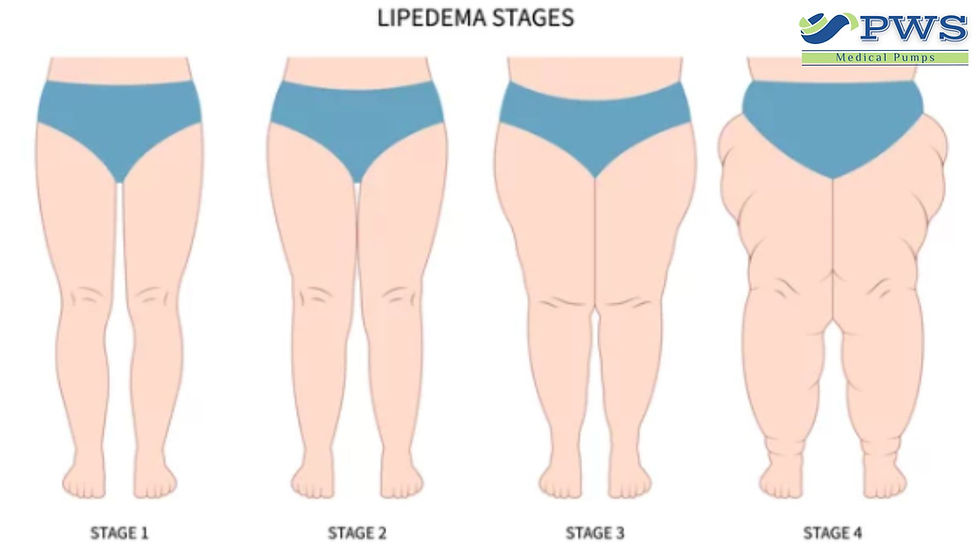
Lipedema with a secondary swelling component
Persistent lower-extremity edema
Swelling following certain surgeries or medical treatments
Whether a device is appropriate depends on the diagnosis, symptoms, medical history, response to conservative care, and insurance requirements.
How Do Sequential Air Chambers Work?
During treatment, the control unit directs air into the garment’s chambers according to a programmed cycle.
The chambers gently inflate, hold pressure briefly, and then release. Depending on the device, the next chamber may begin inflating before the previous one fully releases, creating a sequential pattern along the leg.
This controlled compression may help:
Encourage movement of accumulated lymphatic fluid
Support venous blood flow
Reduce or control swelling
Decrease feelings of heaviness or tightness
Improve comfort and ease of movement
Help maintain progress achieved through other treatments
Research on intermittent pneumatic compression for lower-extremity lymphedema suggests it may help reduce limb volume and improve symptoms or quality of life for some patients. However, study results vary, and pneumatic compression is generally treated as one part of a broader management plan rather than a stand-alone cure.
What Does an At-Home Treatment Session Look Like?
Each patient should follow the treatment plan prescribed by their healthcare provider. The pressure, session length, and frequency may differ depending on the patient, condition, and specific equipment.
A typical home session may involve:
Inspecting the skin before treatment
Applying the prescribed garment smoothly around the leg
Connecting the garment tubing to the control unit
Selecting the prescribed program or settings
Remaining seated or reclined during the session
Removing the garment and checking the skin afterward
Cleaning and storing the equipment as instructed
The garment may cover one leg, both legs, or a larger area that includes the hips or trunk. The prescribed design should reflect the location and pattern of the patient’s swelling.
Patients should not change pressure settings or session length on their own. More pressure is not necessarily better, and stronger compression may be uncomfortable or inappropriate.
Medicare coverage guidance specifically states that treatment should include appropriate instruction, a plan defining the pressure, frequency, and duration of use, and ongoing clinical monitoring.
What Might Patients Feel During Treatment?
The inflation cycle is often described as a firm, rhythmic squeezing sensation.
During a properly fitted and prescribed session, a patient may notice:
Gentle pressure moving along the leg
A repetitive inflation-and-release pattern
Gradual softening of tight or swollen tissue
Temporary changes in how the leg feels
A reduced sensation of heaviness
An increased need to urinate as fluid shifts through the body
Experiences vary. Some patients notice a difference quickly, while others require regular use over time before recognizing meaningful changes.
Treatment should not cause severe pain, numbness, burning, or significant skin irritation.
What Might Patients Notice After a Session?
After treatment, the leg may feel:
Lighter
Less tight
Softer
More comfortable during movement
Temporarily less swollen
Some patients may also notice that shoes, socks, or clothing fit differently.
These changes may not last indefinitely. Because many causes of chronic swelling are ongoing, fluid may gradually accumulate again. This is why consistency and the rest of the treatment plan remain important.
A pneumatic compression device is intended to help manage symptoms. It does not repair a damaged lymphatic system, eliminate chronic venous disease, or permanently cure lymphedema.
Why Consistency Matters
Pneumatic compression tends to be most useful when it becomes a realistic part of the patient’s routine.
Skipping sessions frequently or using the device only when swelling becomes severe may make it more difficult to maintain progress. However, patients should use the device only as often as prescribed.
It may help to schedule treatment alongside a quiet activity, such as:
Reading
Watching television
Answering emails
Listening to a podcast
Completing a seated hobby
Relaxing before bed
Keeping the device in an accessible location can also reduce the effort required to begin each session.
Patients who are struggling with the routine should speak with their provider or equipment support team rather than abandoning treatment or altering the plan independently.
Why Garment Placement Matters
Correct garment placement is essential for comfort and effective treatment.
The garment should generally lie smoothly against the leg without:
Folding
Twisting
Bunching
Pinching the skin
Pulling against a wound
Creating large gaps
Restricting circulation
A folded or uneven garment may create areas of concentrated pressure, making treatment uncomfortable.
Patients should also arrange the tubing so it is not kinked, trapped beneath the body, or pulling against the garment. Restricted tubing can interfere with normal inflation.
Any clothing worn beneath the garment should follow the guidance of the device manufacturer and healthcare provider. Patients should not place the garment over thick clothing, bulky dressings, braces, or medical equipment unless specifically instructed.
Skin Care Before and After Treatment
Chronic swelling can make the skin more vulnerable to irritation, wounds, and infection. Patients should inspect the treated area regularly.
Before each session, check for:
New redness
Cuts or scrapes
Blisters
Drainage
Open wounds
Unusual warmth
Rashes
Skin breakdown
Sudden changes in swelling
After treatment, check for persistent pressure marks, pain, skin discoloration, or irritation.
Brief, mild impressions from the garment may sometimes occur, but redness or discomfort that does not resolve should be reported.
Patients should follow their healthcare provider’s instructions regarding moisturizers, wound dressings, and treatments applied to sensitive or healing skin.
When Should Treatment Be Stopped?
A patient should stop the session and contact the prescribing provider or equipment support team when treatment causes:
Significant or increasing pain
Numbness or tingling
Burning
Persistent redness
New skin irritation
Worsening swelling
Swelling that shifts into an untreated area
Changes in skin color or temperature
Pressure that feels unusually strong
Problems with the garment or control unit
Prompt medical attention may be needed for:
Sudden leg pain or swelling
New warmth and redness
Symptoms of infection
Chest pain
Shortness of breath
Faintness
A suspected blood clot
Rapidly worsening symptoms
These symptoms should not be treated as a normal response to compression therapy.
Who May Need Additional Medical Evaluation?
Pneumatic compression is not appropriate for every patient or every type of swelling.
A healthcare provider should review whether it is safe when a patient has or may have:
A current or suspected blood clot
Active cellulitis or another infection
Significant arterial circulation problems
Uncontrolled heart failure
Severe unexplained pain
Fragile or damaged skin
Reduced sensation
Open or untreated wounds
Recent surgery
Rapidly developing swelling
A diagnosis should be established before treatment begins. Leg swelling can have many causes, and purchasing a general compression product without medical evaluation may delay appropriate care.
Pneumatic Compression and Compression Garments Serve Different Roles
A pneumatic compression device and a daily compression garment are not the same thing.
Compression stockings or wraps provide continuous external support while they are worn. A pneumatic compression device provides intermittent treatment during a scheduled session.
A provider may recommend both because they serve complementary purposes. For example, the pneumatic device may help move accumulated fluid during a treatment session, while a compression garment may help maintain the result afterward.
Patients should not stop wearing prescribed compression garments simply because they begin using a pneumatic device unless their healthcare provider changes the plan.
One Part of a Broader Swelling-Management Plan
At-home pneumatic compression may be used alongside:
Compression garments or bandaging
Exercise and regular movement
Elevation
Skin and nail care
Weight-management support when appropriate
Manual lymphatic drainage
Complete decongestive therapy
Physical or occupational therapy
Wound care
Treatment of the underlying medical condition
Lymphedema is generally considered a chronic condition that can be managed rather than permanently cured. Long-term treatment often requires a combination of strategies adapted to the patient’s physical needs, daily life, and response to care.
How PWS Medical Pumps Supports At-Home Treatment
Receiving a prescribed pneumatic compression device involves more than selecting a pump and shipping it to the patient.
Depending on the prescription and insurance plan, the process may include:
Reviewing the medical order
Gathering clinical documentation
Verifying insurance benefits
Coordinating authorization requirements
Selecting the appropriate device and garment
Confirming measurements
Arranging delivery
Providing setup and usage education
Answering equipment-related questions
Helping troubleshoot garment or device concerns
PWS Medical Pumps works with patients, healthcare providers, and insurance plans to help coordinate this process.
Patient education is especially important. Before beginning home treatment, the patient should understand how to apply the garment, connect the tubing, operate the equipment, follow the prescribed settings, care for the device, and recognize when something does not feel right.
The goal is not simply to place equipment in a patient’s home. It is to help the patient feel comfortable and confident using the prescribed device as part of everyday care.
Building a Manageable Home Routine
A pneumatic compression device for the legs may help eligible patients manage persistent swelling, heaviness, tightness, and related symptoms at home.
The best results depend on more than the device itself. Proper diagnosis, medical oversight, correct garment fit, consistent use, skin monitoring, and continued conservative care all matter.
Patients should follow the treatment plan developed by their healthcare provider and ask for help whenever instructions, equipment, or symptoms are unclear.
Has your healthcare provider recommended pneumatic compression for leg swelling? PWS Medical Pumps can help eligible patients navigate the prescription, insurance, delivery, setup, and equipment-support process.
This article is intended for general educational purposes and does not replace medical advice, diagnosis, or treatment from a qualified healthcare professional.

Comments