


Pneumatic Compression After Lipedema Surgery: What Patients Can Expect
- Jul 26
- 6 min read
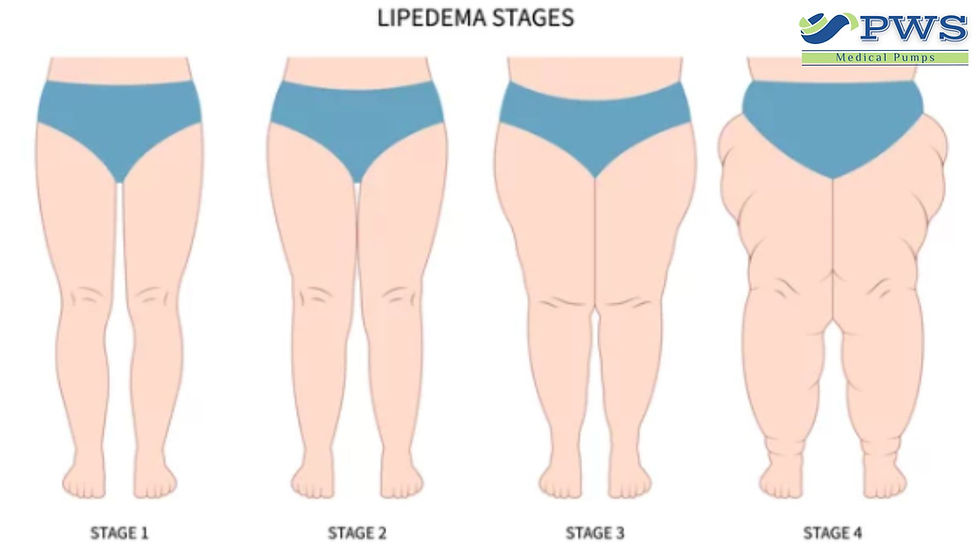
Lipedema surgery can be an important step for patients whose pain, limited mobility, swelling, or other symptoms have not improved enough with conservative treatment.
However, surgery is usually not the end of the treatment process.
Swelling management, compression, movement, skin care, and follow-up care may all remain important before and after a procedure. For some patients, a surgeon or treating provider may also recommend a pneumatic compression device as part of the recovery plan.
Because every surgery and every patient is different, the timing and use of pneumatic compression should always be directed by the surgical and medical care team.
Why Is Compression Discussed After Lipedema Surgery?
Procedures used to treat lipedema, including specialized liposuction techniques, remove abnormal adipose tissue from affected areas. As with other surgeries, patients can expect some degree of postoperative swelling, bruising, tenderness, and tissue healing.
Compression may be recommended to:
Help manage postoperative swelling
Support healing tissues
Improve comfort during recovery
Help maintain the shape of the treated area
Support mobility as activity gradually resumes
Manage an existing lymphatic or venous swelling component
Research reviews have found that many patients continue to use some form of conservative therapy after lipedema surgery, even when their pain, swelling, mobility, and quality of life improve. Compression needs may decrease over time for some patients, while others—particularly those with advanced lipedema or lipolymphedema—may require longer-term support.
That is why patients should discuss both immediate recovery and long-term compression expectations before undergoing surgery.
Compression Garments and Pneumatic Compression Devices Are Not the Same
Patients may hear several different compression-related terms during surgical planning. Although these treatments may work together, they serve different roles.
Compression Garments
Compression garments apply steady external pressure to the treated area. Depending on the patient and procedure, these may include leggings, stockings, sleeves, shorts, abdominal garments, or customized pieces.
Garments may be worn for extended periods during the day and are often part of the immediate postoperative plan. The appropriate style and compression level should be selected by the surgeon, therapist, or other qualified provider.
Pneumatic Compression Devices
A pneumatic compression device uses an electric pump connected to a garment containing inflatable chambers. The chambers fill and release in a controlled pattern during a treatment session.
Unlike a garment that provides continuous compression while worn, a pneumatic compression device delivers intermittent treatment for a prescribed period.
Studies of patients with lipedema suggest that properly selected pneumatic compression may help with swelling, pain, bruising, tissue changes, and other patient-reported symptoms. However, these devices do not replace surgical follow-up, compression garments, movement, or other parts of a postoperative plan.
When Can Pneumatic Compression Begin After Surgery?
There is no single timeline that applies to every patient.
The appropriate start date may depend on:
The type and extent of surgery
The areas treated
Incisions and drainage
Bruising and skin sensitivity
The presence of wounds or infection
The patient’s circulation and medical history
Whether lymphatic or venous disease is also present
The specific device and garment being prescribed
The surgeon’s recovery protocol
Some patients may use pneumatic compression during the postoperative period, while others may need to wait until their surgeon confirms that the tissue, incisions, and skin are ready.
Patients should never begin treatment simply because they already own a device or because another patient started earlier. They should also avoid changing the pressure, session length, or treatment frequency without guidance.
The surgeon or treating provider should determine:
When treatment may begin
Which areas may be treated
How often should the device be used
How long should each session last
Which pressure settings are appropriate
Whether any surgical sites should be avoided
Why Planning Before Surgery Matters
Patients may assume that any needed equipment can be arranged after the procedure. In reality, beginning the process before surgery can make recovery less stressful.
Obtaining a prescribed pneumatic compression device may involve:
A medical evaluation
A prescription or written order
Clinical documentation
Insurance-benefit verification
Prior authorization
Garment measurements
Device selection
Delivery and patient education
These steps can take time, especially when insurance requirements or customized garment sizing are involved.
Patients who discuss postoperative compression early may have more time to understand their options, gather documentation, complete measurements, and learn how to use the equipment before mobility becomes temporarily limited.
Questions to Ask Before Lipedema Surgery
Patients may find it helpful to bring a written list of questions to their surgical consultation.
Consider asking:
About the recovery plan
What kind of swelling should I expect?
Which compression garments will I need?
How long will I wear them each day?
Will the type or size of garment change as swelling decreases?
Will I need manual lymphatic drainage or physical therapy?
When may I begin walking, exercising, or returning to normal activities?
About pneumatic compression
Do you recommend a pneumatic compression device for me?
Should I use it before surgery, after surgery, or both?
When may I safely resume or begin treatment?
Which areas should the garment cover?
Are there any incisions or sensitive areas that must be avoided?
What pressure and session length should I use?
Should I wear a compression garment before or after a device session?
Who should I contact if treatment increases pain or swelling?
About insurance and equipment
Will your office provide the prescription and medical records?
Does the device need to be approved before surgery?
Will I need updated measurements after the procedure?
Is the device intended for short-term recovery or ongoing treatment?
Clear instructions are especially important because postoperative recommendations vary among surgeons and procedures.
What Might a Treatment Session Feel Like?
Once a patient has been medically cleared, a pneumatic compression session generally involves placing the prescribed garment around the affected area and connecting it to the control unit.
The chambers then inflate and release according to the device program. Patients often describe the sensation as firm, rhythmic pressure or gentle squeezing.
Treatment should not cause severe pain.
A patient should stop the session and contact the surgical or medical team if they experience:
Sharp or increasing pain
Numbness or tingling
New skin discoloration
Persistent redness
Increased drainage from an incision
Wound separation
New warmth or significant tenderness
Sudden or unusual swelling
Shortness of breath or chest pain
Symptoms that are different from the expected recovery pattern
These concerns should not be assumed to be a normal result of compression.
Proper Garment Fit Is Especially Important During Recovery
Postoperative swelling can change quickly. A garment that fits appropriately before surgery may not fit the same way afterward.
A pneumatic compression garment should lie smoothly against the body without:
Folding
Twisting
Bunching
Pulling against an incision
Pressing directly on a painful area
Restricting circulation
Creating gaps that alter the treatment pattern
Patients should not place a pneumatic compression garment over bulky dressings, drains, medical tubing, or healing wounds unless the surgeon has specifically approved it.
If the treated area changes significantly in size, the patient may need a new fitting or reassessment.
Pneumatic Compression Is Only One Part of Recovery
A device cannot replace the broader postoperative plan.
Depending on the surgeon’s recommendations, recovery may also include:
Consistent use of compression garments
Gentle walking and gradual activity
Physical or occupational therapy
Manual lymphatic drainage
Proper hydration and nutrition
Incision and skin care
Monitoring for infection or blood clots
Follow-up appointments
Long-term symptom management
Lipedema care is generally multimodal. Clinical guidance describes compression, exercise, skin care, physical therapy, and other conservative measures as important components that may be used alongside surgical treatment.
How PWS Medical Pumps Supports Patients
Preparing for surgery can involve appointments, travel, recovery planning, medication instructions, garments, and insurance paperwork. Coordinating medical equipment should not add unnecessary confusion.
When a pneumatic compression device is prescribed, PWS Medical Pumps may help with:
Communicating with the prescribing provider
Gathering required medical documentation
Verifying insurance benefits
Coordinating device and garment selection
Arranging measurements and delivery
Teaching patients how to use the equipment
Reviewing garment placement and basic care
Answering equipment-related questions
Providing continued support after delivery
PWS Medical Pumps does not decide when postoperative treatment should begin. That decision belongs to the patient’s surgeon or treating healthcare provider.
Once the patient has been cleared, the goal is to help them understand their prescribed equipment and feel prepared to use it correctly at home.
Preparing for a More Supported Recovery
Pneumatic compression may be included in a surgeon-directed recovery plan for some patients undergoing lipedema surgery. It may help manage swelling and provide comfort, but it must be used at the right time, with the correct garment and settings, and alongside the rest of the prescribed care plan.
Patients can prepare by discussing compression early, requesting written postoperative instructions, arranging equipment in advance when possible, and knowing who to call when questions arise.
Preparing for lipedema surgery? PWS Medical Pumps can help patients navigate the prescription, insurance, garment, delivery, and equipment-education process when a pneumatic compression device is included in their care plan.
This article is for general educational purposes only and does not replace medical advice, diagnosis, surgical instructions, or treatment from a qualified healthcare professional.


Comments